
Defense HiSKY · ForceLITE
Long-Range.
No Line of Sight.
Still Connected.
When communications are the lifeline of your defense mission, every link has to hold. Your forces may need to operate hundreds or thousands of kilometers from the point of deployment- driving demand for small strike UAVs, long-range missiles and tactical systems built to operate deep into contested environments, where everything has to work flawlessly, every time.

This is where ForceLITE comes in.
Your long-range tactical systems need SATCOM that is small enough to integrate, affordable enough to deploy at scale, sovereign enough to maintain your operational control, and discreet enough to operate in contested environments.
HiSKY's flagship system- the same private network architecture, battle-tested by nation-states and proven across thousands of operational units in demanding environments. No foreign involvement, no third-party routing, no constellation lock-in.

Defense grade
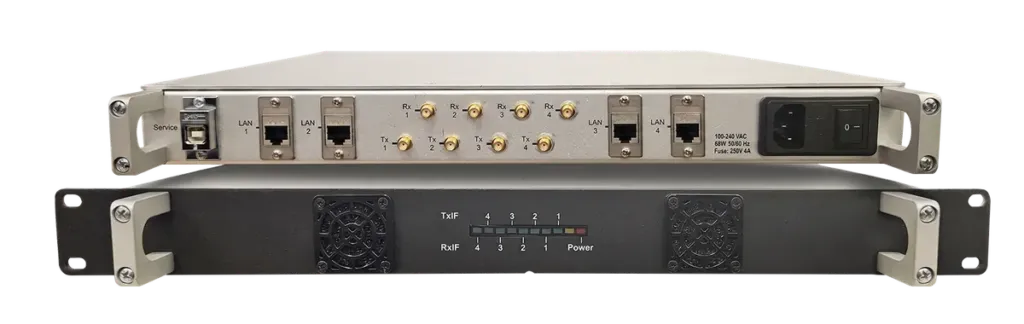
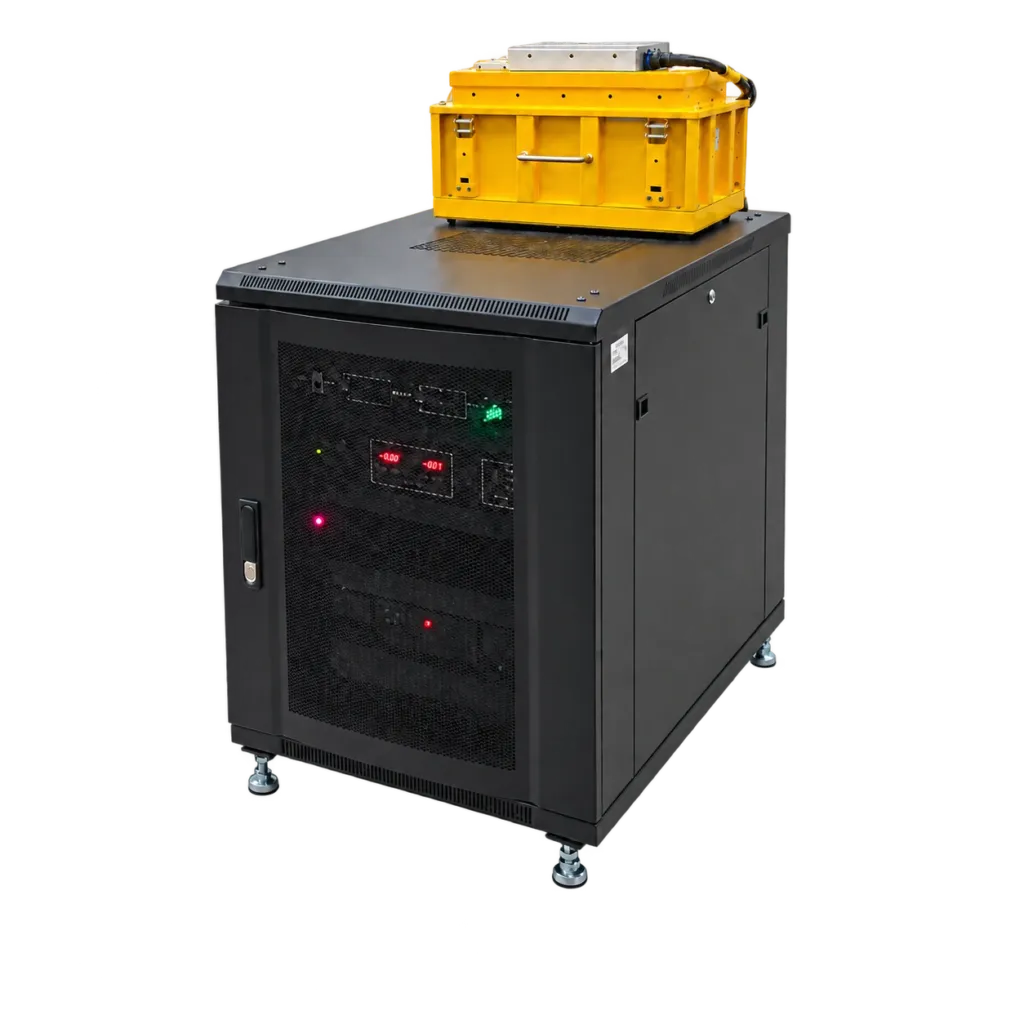
The defense-only system. Every ForceLITE terminal is a named product that runs on the shared Hub, Lab and NMS backbone.
ORION and CASTOR are the defense-grade terminals under ForceLITE.
ORION Ku 16×16
Command and control for defense platforms.
Ku-band · 16×16
Industrial grade for defense and commercial
SIRIUS, ALTAIR and VEGA also serve cost-sensitive defense deployments. These small form-factor, low-cost terminals are built for mass deployment across many assets, with satellite-agnostic GEO operation today and a LEO-ready architecture.
SIRIUS Ku 16×16
Top tier terminal under SmartLITE.
Top tier · Ku-band · 16×16
The Value
-
Private / Sovereign Networks
Your network. Your control. No foreign gateways, no third-party routing, no dependencies outside your command.
-
LPI/LPD - Invisible to the Enemy
Low probability of intercept and detection keeps your link out of reach - hard to find, hard to jam, hard to exploit.
-
Low-SWaP Terminals
Card-level, ultra-compact terminals that fit inside small strike UAVs, long-range missiles, and hand-held systems - without taking size, weight, or power away from the mission.
-
Ku/Ka Band Systems
Purpose-built Ku/Ka band terminals and hubs, engineered for demanding tactical platforms and strict SWaP requirements.
-
GEO/MEO/LEO Multi-Orbit
Switch orbits and satellites on demand, so your forces stay connected even as the environment - or the threat - changes.
Current Use Cases

01
UAV Swarm Operations
Secure command, telemetry, imagery and live video beyond line of sight for tactical UAV swarms.
View use case
02
Land-Border Operations
Extending command, video and voice to the edge of a 400 km frontier where radio, fibre and cellular run out.
View use case
03
Smart Border Fence
Real-time sensor connectivity across remote borders without terrestrial communications build-out.
View use case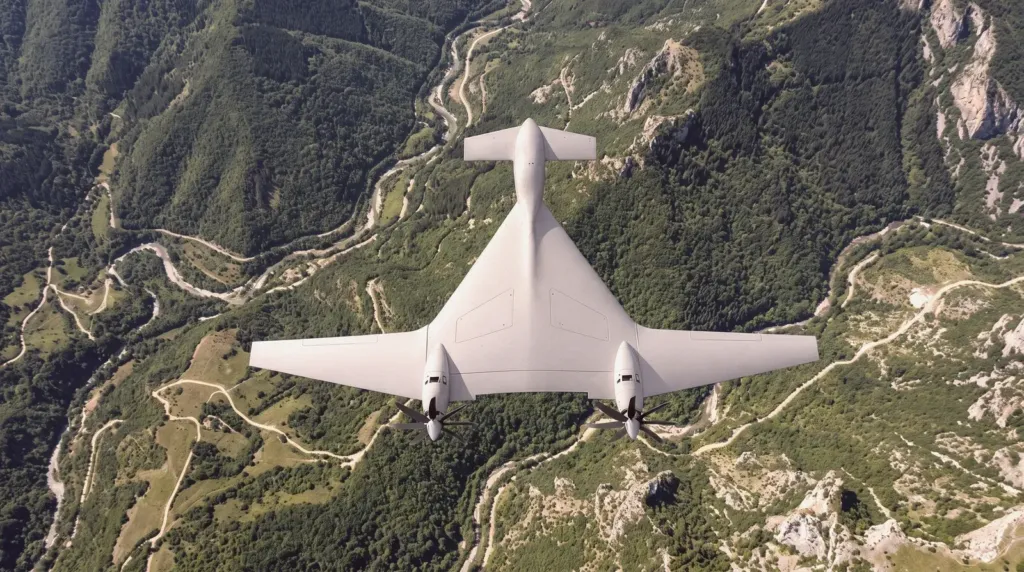
04
GNSS-Resilient Positioning
Reliable positioning when GPS is unavailable, jammed or spoofed using existing GEO SATCOM infrastructure.
View use case
05
Contested-Environment Awareness
Persistent beyond-line-of-sight awareness for dismounted operators where terrestrial communications fail.
View use case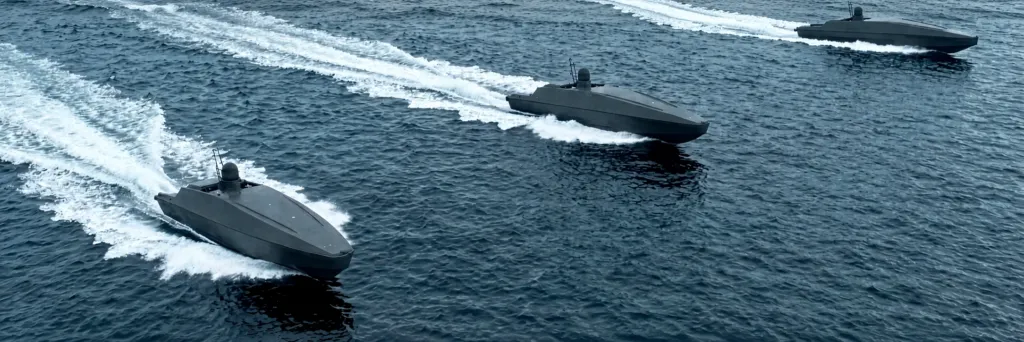
06
Sea Operations
Compact Ku- and Ka-band SATCOM for manned and unmanned vessels, supporting C2, telemetry, operational data and voice beyond coastal coverage.
View use caseProven at Scale
Battle-tested with leading defense integrators across NATO and allied nations. Every system is production-grade, field-hardened, and mission-ready.






Frequently asked questions
ForceLITE
What is ForceLITE?
ForceLITE is HiSKY's flagship, export-controlled defense tier of satellite terminals - the same private-network architecture fielded by the Israeli Ministry of Defense across more than 7,500 operational units, engineered for contested environments where undetectable, resilient communications are mission-critical.
ForceLITE is built for platforms and forces operating in environments where adversaries actively jam, intercept, and attempt to geolocate satellite signals.
How is ForceLITE different from standard military satcom?
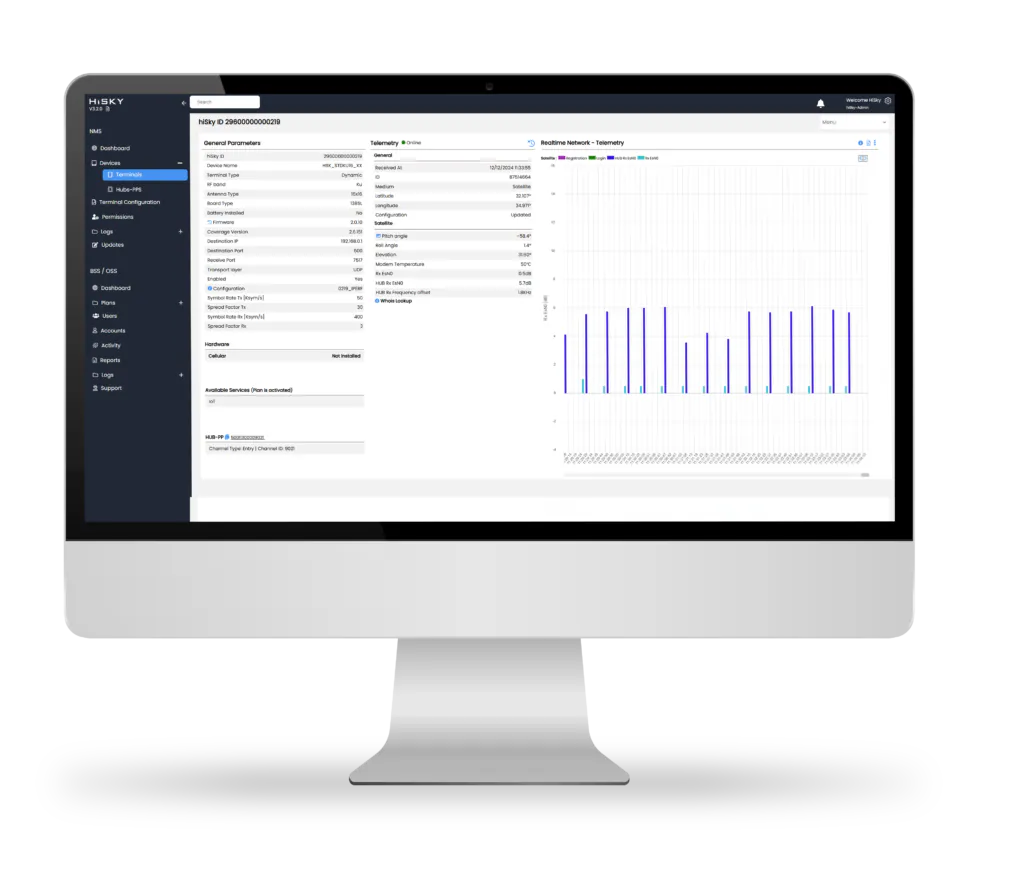
Standard military satcom is often expensive, dependent on a single constellation, and difficult to adapt at operational speed. ForceLITE is a full-stack system - terminal, HUB, and NMS all built by HiSKY - with no foreign gateways, routing, or infrastructure dependencies, giving the operator sovereign control and full transparency over their own network.
This full-stack ownership is what eliminates foreign dependencies, policy constraints, and vendor lock-in that can come with relying on a third party for part of the communications chain.
What does "invisible to the enemy" mean for ForceLITE?
ForceLITE uses LPI/LPD (Low Probability of Intercept/Detection) and wide-range frequency spreading, so its signals are difficult for adversaries to detect and jam - engineered as a core design principle, not a bolt-on feature.
This is central to ForceLITE's positioning for platforms like UAVs and loitering munitions, where being detected can compromise a mission even if the link itself isn't jammed.
Does ForceLITE work without GPS?
Yes. ForceLITE operates independently of GNSS/GPS and can switch between GEO and LEO satellites in contested environments, so communications continue functioning where GPS-dependent systems fail.
This GPS independence, combined with multi-orbit flexibility, is designed specifically for environments where GNSS denial is becoming routine.
How compact are ForceLITE terminals?
ForceLITE terminals use a card-level form factor - ultra-compact and low-SWaP - designed to integrate into UAVs, munitions, vehicles, and hand-held systems, including a ruggedized tier built for harsh environmental conditions.
This compact form factor is what allows ForceLITE to be embedded directly into small platforms like loitering munitions and man-portable systems, where every gram and watt matters.
What terminals are in the ForceLITE product line?
ForceLITE includes ORION (Ku 16x16, flagship, for command & control) and CASTOR (Ku 8x16, a lighter-footprint option for multi-platform use), alongside the HUB system (modem and packet processor) and the Space Control NMS (Standard or Premium, with full network sovereignty and mission-grade redundancy).
The two-terminal lineup lets defense customers choose between maximum capability (Orion) and a lighter, more portable option (Castor) depending on the platform and mission.
What operational domains does ForceLITE serve?
ForceLITE serves UAV and unmanned systems, beyond-line-of-sight (BLOS) munitions, ground forces and special operations, sovereign networks and strategic reserves, naval and Sea command, and border and perimeter security.
This range of domains reflects ForceLITE's design as a common communications backbone across many types of defense platforms, rather than a single-purpose terminal.
Is ForceLITE export-controlled?
Yes - ForceLITE is HiSKY's export-controlled tier, built for government and defense customers; availability for a given country or end use depends on the applicable export authorization.
Prospective customers should confirm specific export eligibility with HiSKY directly, as this depends on the customer's country and intended use.
Who has fielded ForceLITE, and at what scale?
The Israeli Ministry of Defense has fielded ForceLITE's architecture across more than 7,500 operational units in demanding environments, alongside leading defense integrators across NATO and allied nations.
This deployment scale and duration (over a decade) is the primary proof point behind ForceLITE's "battle-tested" positioning.